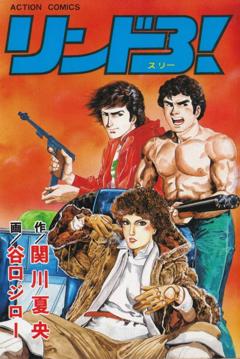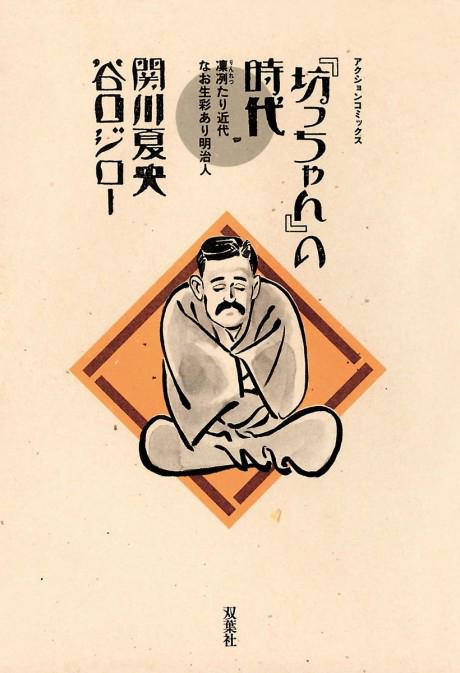
The Meiji Era (1868-1912) was probably the most defining period in Japanese history. It was a time of massive change from the more traditional; Tokugawa era to a positioning of Japan in the modern world. Contemporary writer, Soseki Natsume, suffered due to all the social and cultural changes and expressed his feelings through his character Botchan, a classic in the vein of Mark Twain or Charles Dickens. This massive work over 10 volumes could, in other hands, have been but an informed text book. However, the solid script by Sekigawa explores the period through an adult story whilst the art by Taniguchi portrays the material with exquisite and elegant detail. (Source: Ponent Mon)
Sinopse em inglês, como veio da fonte.
Um caderno só seu para esta obra
Uma página em branco para anotar o que quiser, com imagens, spoilers e links para outras obras.

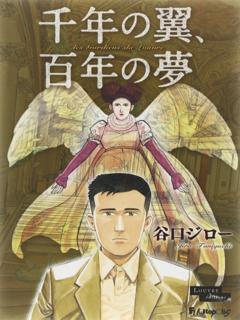
The Meiji Era (1868-1912) was probably the most defining period in Japanese history. It was a time of massive change from the more traditional; Tokugawa era to a positioning of Japan in the modern world. Contemporary writer, Soseki Natsume, suffered due to all the social and cultural changes and expressed his feelings through his character Botchan, a classic in the vein of Mark Twain or Charles Dickens. This massive work over 10 volumes could, in other hands, have been but an informed text book. However, the solid script by Sekigawa explores the period through an adult story whilst the art by Taniguchi portrays the material with exquisite and elegant detail. (Source: Ponent Mon)
Sinopse em inglês, como veio da fonte.
Um caderno só seu para esta obra
Uma página em branco para anotar o que quiser, com imagens, spoilers e links para outras obras.

porJiro TaniguchiNatsuo Sekikawa
Notas da comunidade:Ainda sem notas5 volumes · Título original: Bocchan no Jidai
porJiro TaniguchiNatsuo Sekikawa
Notas da comunidade:Ainda sem notas5 volumes · Título original: Bocchan no Jidai