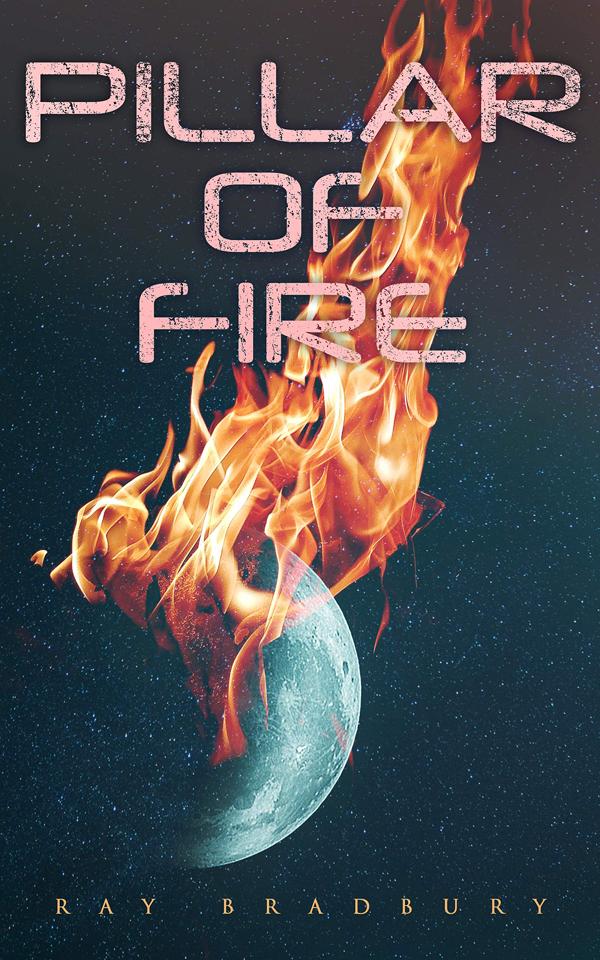
Pillar of Fire is one of Ray Bradbury's most striking fusions of science fiction, Gothic fantasy, and cultural satire. Set in a future that has rationalized away death, darkness, cemeteries, and the literature of terror, the tale follows a resurrected corpse whose very existence becomes an affront to a sanitized civilization. Bradbury writes in a lush, incantatory style, drawing on Poe, Hawthorne, and the pulp tradition while turning horror into a defense of memory, imagination, and human complexity. Bradbury, born in 1920 in Waukegan, Illinois, was deeply shaped by libraries, carnivals, silent films, radio drama, and the macabre pleasures of childhood reading. His lifelong resistance to censorship and cultural blandness informs this work. As in Fahrenheit 451 and The Martian Chronicles, he distrusts societies that abolish discomfort in the name of progress, suggesting that fear and mortality are inseparable from art and moral awareness. Readers interested in speculative fiction with literary ambition will find Pillar of Fire both eerie and intellectually provocative. It is especially recommended for those who admire Bradbury's lyrical prose, his defense of imagination, and his ability to make genre fiction speak to enduring questions about history, repression, and the soul.
A notebook of your own for this title
A blank page to write whatever you want, with images, spoilers and links to other titles.
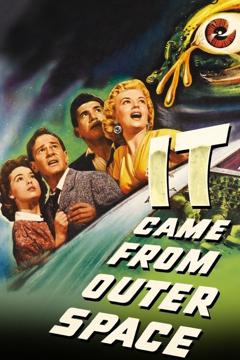
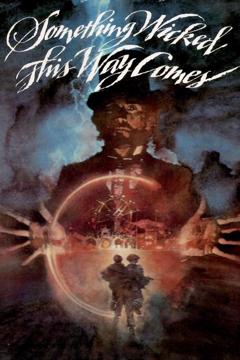
Pillar of Fire is one of Ray Bradbury's most striking fusions of science fiction, Gothic fantasy, and cultural satire. Set in a future that has rationalized away death, darkness, cemeteries, and the literature of terror, the tale follows a resurrected corpse whose very existence becomes an affront to a sanitized civilization. Bradbury writes in a lush, incantatory style, drawing on Poe, Hawthorne, and the pulp tradition while turning horror into a defense of memory, imagination, and human complexity. Bradbury, born in 1920 in Waukegan, Illinois, was deeply shaped by libraries, carnivals, silent films, radio drama, and the macabre pleasures of childhood reading. His lifelong resistance to censorship and cultural blandness informs this work. As in Fahrenheit 451 and The Martian Chronicles, he distrusts societies that abolish discomfort in the name of progress, suggesting that fear and mortality are inseparable from art and moral awareness. Readers interested in speculative fiction with literary ambition will find Pillar of Fire both eerie and intellectually provocative. It is especially recommended for those who admire Bradbury's lyrical prose, his defense of imagination, and his ability to make genre fiction speak to enduring questions about history, repression, and the soul.
A notebook of your own for this title
A blank page to write whatever you want, with images, spoilers and links to other titles.
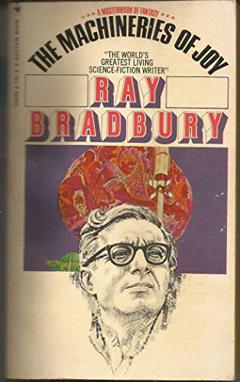
The Machineries of JoyBook · 1964Same creator
Dark CarnivalBook · 1947Same creator
A morte é um negócio solitárioBook · 1985Same creator
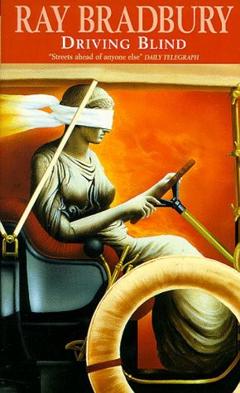
Driving BlindBook · 1997Same creator
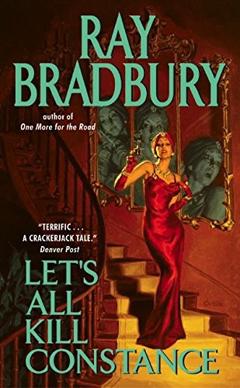
Let's All Kill ConstanceBook · 2002Same creator
The Fog HornBook · 1951Same creator
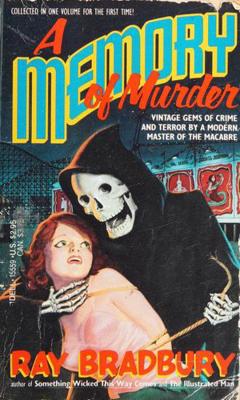
A Memory of MurderBook · 1984Same creator
The Fox and the ForestBook · 1950Same creator
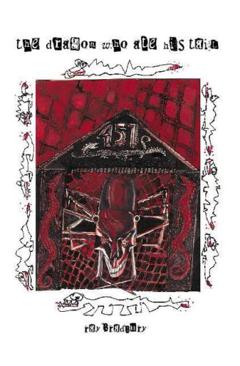
The Dragon Who Ate His TailBook · 2007Same creator
I, RocketBook · 1944Same creator