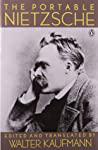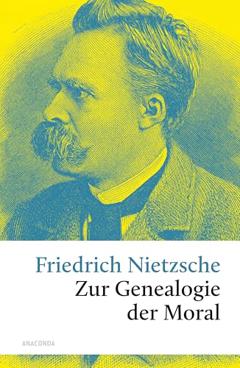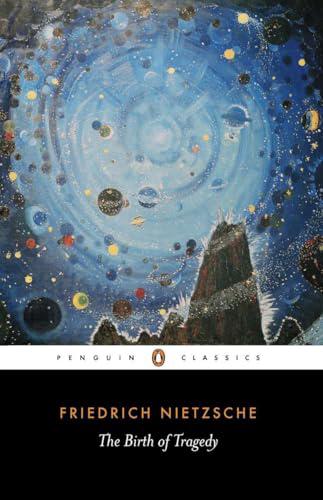
A compelling argument for the necessity for art in life, Nietzsche's first book is fuelled by his enthusiasms for Greek tragedy, for the philosophy of Schopenhauer and for the music of Wagner, to whom this work was dedicated. Nietzsche outlined a distinction between its two central forces: the Apolline, representing beauty and order, and the Dionysiac, a primal or ecstatic reaction to the sublime. He believed the combination of these states produced the highest forms of music and tragic drama, which not only reveal the truth about suffering in life, but also provide a consolation for it. Impassioned and exhilarating in its conviction, The Birth of Tragedy has become a key text in European culture and in literary criticism.
A notebook of your own for this title
A blank page to write whatever you want, with images, spoilers and links to other titles.

A compelling argument for the necessity for art in life, Nietzsche's first book is fuelled by his enthusiasms for Greek tragedy, for the philosophy of Schopenhauer and for the music of Wagner, to whom this work was dedicated. Nietzsche outlined a distinction between its two central forces: the Apolline, representing beauty and order, and the Dionysiac, a primal or ecstatic reaction to the sublime. He believed the combination of these states produced the highest forms of music and tragic drama, which not only reveal the truth about suffering in life, but also provide a consolation for it. Impassioned and exhilarating in its conviction, The Birth of Tragedy has become a key text in European culture and in literary criticism.
A notebook of your own for this title
A blank page to write whatever you want, with images, spoilers and links to other titles.

Assim falou ZaratustraBook · 1883160 pages · Original title: Die Geburt der Tragödie aus dem Geiste der Musik