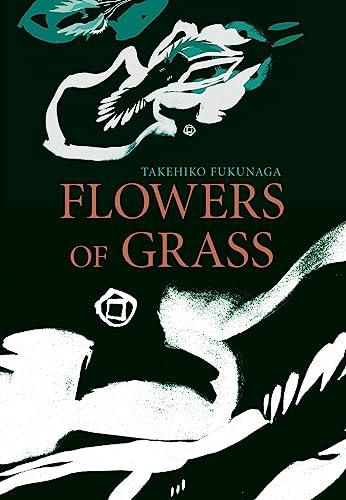
Flowers of Grass is Takehiko Fukunaga’s fully realized portrait of a young man of fastidious intelligence and great sorrow, and shows us how it is possible, seeing reality from the side of death and despair, to still choose life. Outside Tokyo, a tuberculosis sanatorium in the village of K has a six-bed ward that the narrator, an aspiring poet, shares with a student of linguistics and budding writer named Shiomi. After the stubborn Shiomi insists on undergoing a dangerous surgical procedure and dies in the process, two notebooks turn up in his bed-sheets. Flowers of Grass unfolds as the narrator reads them, asking himself if Shiomi’s death was a sort of suicide, and learning the details of his late friend’s two great loves: for a brother and sister, both of whom reject him. Fukunaga himself spent seven years recuperating from tuberculosis following World War II, and drew on his own experiences to create a fully realized portrait of a young man of fastidious intelligence and great sorrow, and how it is possible, seeing reality from the side of death and despair, to still choose life.
A notebook of your own for this title
A blank page to write whatever you want, with images, spoilers and links to other titles.
233 pages · Original title: 草の花