“The Mirror in the Mirror” – in the E-Book now also with illustrations by his father Edgar Ende, to whom Michael Ende dedicated this book. It is a fantastic story labyrinth of a very special kind. For the author himself, this work was of great importance: in interviews, he liked to call it his “never-ending story for adult readers.” The reader is taken into a mysterious narrative world, full of bizarre situations and mysterious fates, surreal images and philosophical thoughts. Those who open themselves in amazement to these enigmatic visions and allow themselves to be drawn into the fantastic stories will emerge from Michael Ende’s magic labyrinth with a new perspective. The core question is: What is reflected in a mirror that is reflected in a mirror? If two readers read the same book, they are still not reading the same thing. For both people immerse themselves into the reading. The book becomes a mirror in which the reader is reflected. But in the same way, the reader is also a mirror in which the book is reflected: The mirror in the mirror refers the reader back to himself. The FAZ, one of the major newspapers in Germany, writes that Michael Ende shows with the book “how much darkness, wildness and rawness is inherent in dreams. He does not trivialize. His dreams make reference to reality because in dreams, Cicero wrote, ‘the remnants of those objects roll and tumble about in the souls which we have thought and impelled while awake’.”
“The Mirror in the Mirror” – in the E-Book now also with illustrations by his father Edgar Ende, to whom Michael Ende dedicated this book. It is a fantastic story labyrinth of a very special kind. For the author himself, this work was of great importance: in interviews, he liked to call it his “never-ending story for adult readers.” The reader is taken into a mysterious narrative world, full of bizarre situations and mysterious fates, surreal images and philosophical thoughts. Those who open themselves in amazement to these enigmatic visions and allow themselves to be drawn into the fantastic stories will emerge from Michael Ende’s magic labyrinth with a new perspective. The core question is: What is reflected in a mirror that is reflected in a mirror? If two readers read the same book, they are still not reading the same thing. For both people immerse themselves into the reading. The book becomes a mirror in which the reader is reflected. But in the same way, the reader is also a mirror in which the book is reflected: The mirror in the mirror refers the reader back to himself. The FAZ, one of the major newspapers in Germany, writes that Michael Ende shows with the book “how much darkness, wildness and rawness is inherent in dreams. He does not trivialize. His dreams make reference to reality because in dreams, Cicero wrote, ‘the remnants of those objects roll and tumble about in the souls which we have thought and impelled while awake’.”
Data: Hardcover, Open Library, Wikidata
A notebook of your own for this title
A blank page to write whatever you want, with images, spoilers and links to other titles.
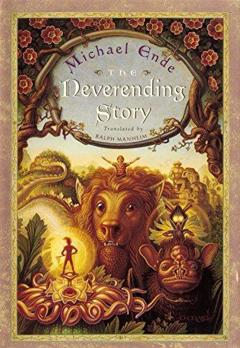 Die Unendliche GeschichteBook · 1979
 Momo e o Senhor do TempoBook · 1973
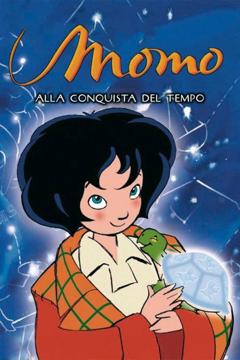 Momo alla conquista del tempoFilm · 2001
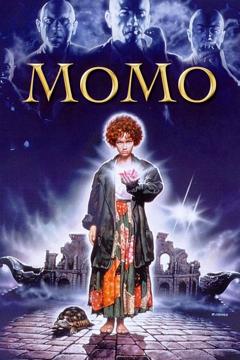 MomoFilm · 1986
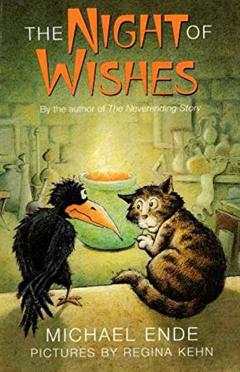 The Night of WishesBook · 1989
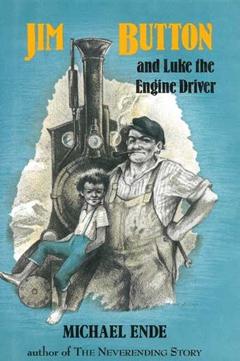 Jim Button and Luke the Engine DriverBook · 1960
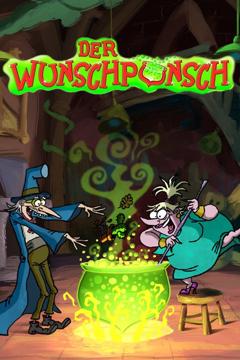 Der WunschpunschSeries · 2001
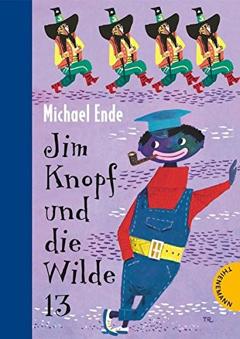 Jim Button and the Wild 13Book · 1962
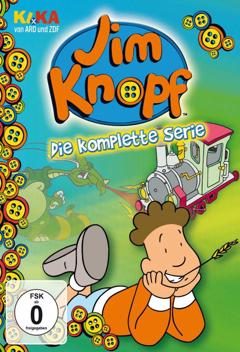 Jim KnopfSeries · 1999
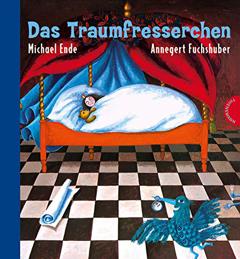 The dream-eaterBook · 1978
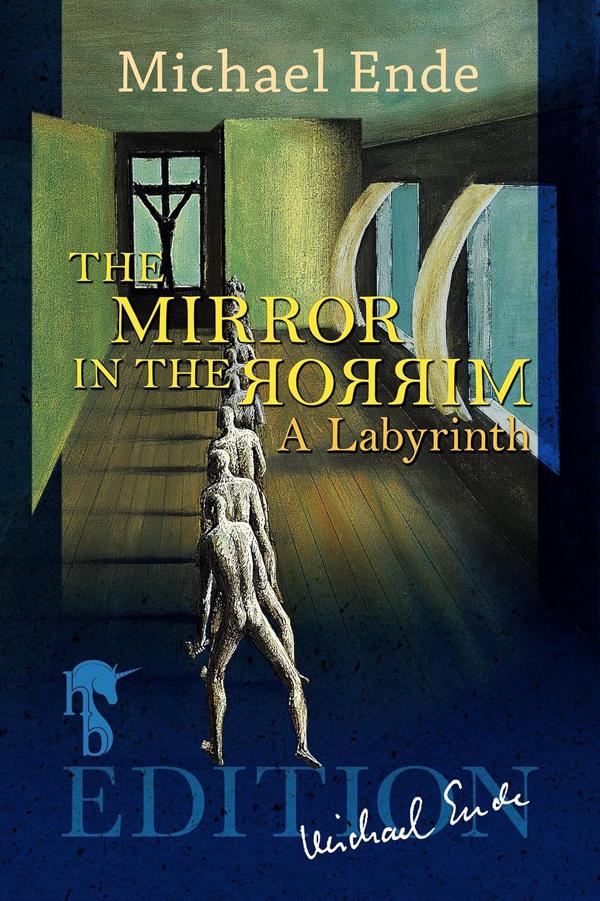
220 pages · Original title: Der Spiegel im Spiegel. Ein Labyrinth
Data: Hardcover, Open Library, Wikidata
A notebook of your own for this title
A blank page to write whatever you want, with images, spoilers and links to other titles.
Die Unendliche GeschichteBook · 1979Momo e o Senhor do TempoBook · 1973Momo alla conquista del tempoFilm · 2001MomoFilm · 1986The Night of WishesBook · 1989Jim Button and Luke the Engine DriverBook · 1960Der WunschpunschSeries · 2001Jim Button and the Wild 13Book · 1962Jim KnopfSeries · 1999The dream-eaterBook · 1978220 pages · Original title: Der Spiegel im Spiegel. Ein Labyrinth