In the acclaimed Blood Rites , Barbara Ehrenreich delved into the origins of our species' attraction to war. Here, she explores the opposite impulse, one that has been so effectively suppressed that we lack even a term for the desire for collective joy, historically expressed in ecstatic revels of feasting, costuming, and dancing. Ehrenreich uncovers the origins of communal celebration in human biology and culture. Although sixteenth-century Europeans viewed mass festivities as foreign and "savage," Ehrenreich shows that they were indigenous to the West, from the ancient Greeks' worship of Dionysus to the medieval practice of Christianity as a "danced religion." Ultimately, church officials drove the festivities into the streets, the prelude to widespread Protestants criminalized carnival, Wahhabist Muslims battled ecstatic Sufism, European colonizers wiped out native dance rites. The elites' fear that such gatherings would undermine social hierarchies was the festive tradition inspired French revolutionary crowds and uprisings from the Caribbean to the American plains. Yet outbreaks of group revelry persist, as Ehrenreich shows, pointing to the 1960s rock-and-roll rebellion and the more recent "carnivalization" of sports. Original, exhilarating, and deeply optimistic, Dancing in the Streets concludes that we are innately social beings, impelled to share our joy and therefore able to envision, even create, a more peaceable future.

Data: Hardcover, Open Library, Wikidata
Nickel and DimedBook · 2001
Kipper's gameBook · 1993A notebook of your own for this title
A blank page to write whatever you want, with images, spoilers and links to other titles.
Nickel and DimedBook · 2001
Kipper's gameBook · 1993
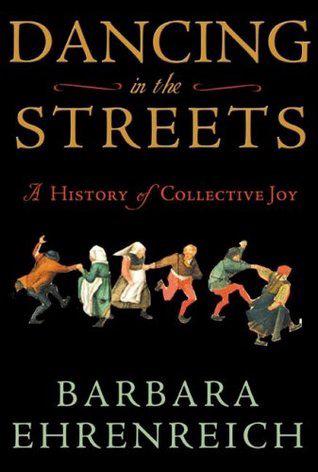
336 pages · Original title: Dancing in the Streets: A History of Collective Joy
Data: Hardcover, Open Library, Wikidata
Nickel and DimedBook · 2001
Kipper's gameBook · 1993A notebook of your own for this title
A blank page to write whatever you want, with images, spoilers and links to other titles.
Nickel and DimedBook · 2001
Kipper's gameBook · 1993
336 pages · Original title: Dancing in the Streets: A History of Collective Joy